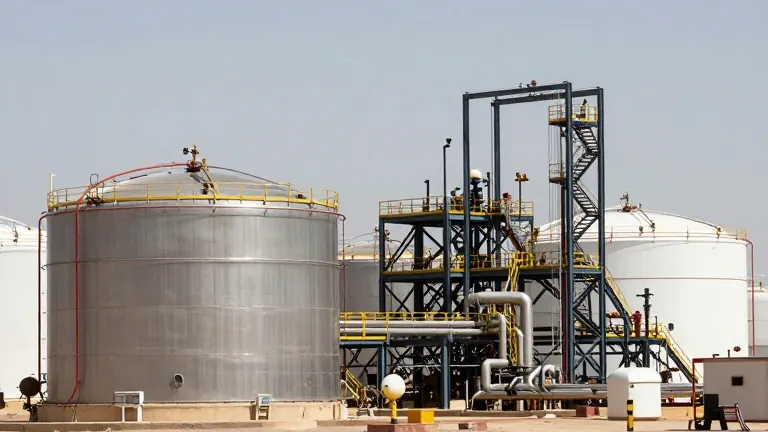
Gasoline hits $4.29 as war with Iran nears eight-month mark
The national average for regular gasoline has risen sharply since February, while diesel costs have reached record levels ahead of the November midterm elections.
By Elliot Parker ·
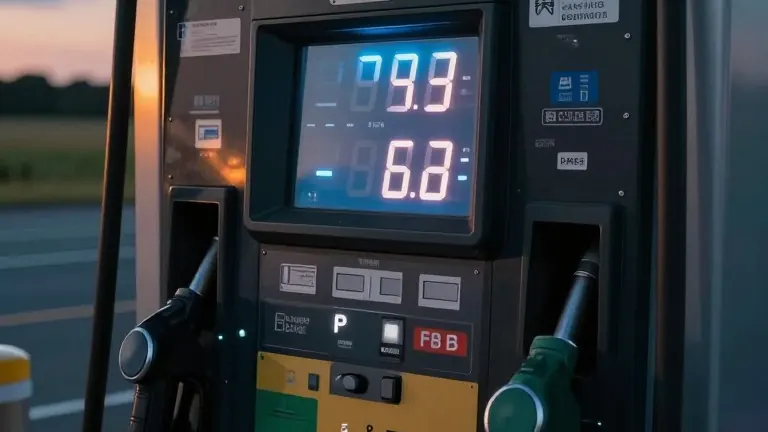
The national average price for a gallon of regular gasoline reached $4.29 on Monday, a steep increase from the $2.98 average recorded before the United States launched attacks on Iran on February 28. This price point arrives as the conflict enters its eighth month, placing direct pressure on voters ahead of the midterm elections scheduled for November 3.
Diesel costs have also climbed to historic levels. The national average for diesel stands at $6.35 per gallon, up from $3.76 in February. Last month, the price surpassed $6.00 for the first time, and current levels are 74% higher than the $3.63 average seen one year ago.
President Donald Trump has offered varying explanations for the cost increases since the war began. In his State of the Union address just days before the February strikes, he touted low prices, stating that gasoline was below $2.30 in most states. He cited a price of $1.85 in Iowa as the lowest in four years. At that time, the national average was $2.95, which was 19 cents cheaper than the previous year.
As oil prices spiked to over $100 a barrel in the early weeks of the war, Trump framed the surge as a financial benefit for the United States. He posted on Truth Social that the country is the largest oil producer in the world, so rising prices mean the nation makes a lot of money. By early September, however, he predicted that oil prices would not cool before the midterms, telling supporters that prices would tumble downward right after the election.
The administration has recently announced new measures to address fuel costs. Trump stated that the United States struck a deal to purchase Russian diesel to reduce price spikes. This move represents a shift from previous U.S. pressure on Moscow. He also claimed the U.S. retained total control of the Strait of Hormuz, although traffic through the waterway remains well below pre-war levels due to threats from Tehran.
To support the agricultural sector, the administration unveiled a harvest fuel relief program. Trump said the initiative would provide $8 billion in support for farmers. At a campaign rally in Kansas, he told the crowd, "When Republicans win, we will pass even more funding for our farmers," and asked them to pretend he was on the ballot.
Crude oil markets have remained volatile throughout the conflict. Brent crude costs have fluctuated significantly, falling to $71.57 a barrel in summer before spiking past $101 in September as fighting escalated. The current economic strain is a primary concern for many voters as they prepare to head to the polls.
Source: ABC News
More Business · Bad Service · Report a business · Got a Story?