Serbian Politics: Vucic Concedes Loss to Student Bloc
Voter turnout hit a 30-year high as a protest-born movement unseats the long-ruling president.
By Mariam Darwish ·
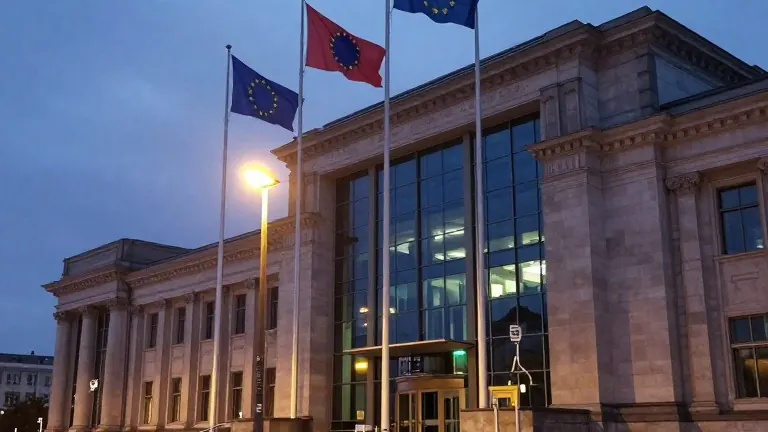
Aleksandar Vucic admitted defeat in Sunday's snap parliamentary elections, ending more than a decade of dominance by the Serbian Progressive Party. The leader acknowledged the loss after vote samples showed his list securing 105 seats in the 250-member parliament. The opposing Student List was projected to capture between 135 and 140 seats, granting them a clear majority. Vucic spoke to his supporters, stating, "It is clear that we have lost these elections."
Voter participation in the vote reached its highest level in over 30 years. The Student List emerged from a youth-led protest movement that began in November 2024 after 16 people died when a train station canopy collapsed in Novi Sad. The demonstrations expanded into a wider wave of social unrest before coalescing into a formal political platform. The movement pledged to combat corruption, depoliticize public institutions, and restore citizen rights. Ilija Srdanovic, a professor at the Faculty of Medicine in Novi Sad, led the campaign for the group.
Vucic had characterized the demonstrators as "blockaders" who included university professors, doctors, and workers. He accused them of attempting to destabilize the country. The student movement gained traction as dissatisfaction with the ruling party grew. The platform positioned itself as an alternative to the established political order, drawing support from various professional sectors.
Born in Belgrade in 1970, Vucic entered politics in 1993 by joining the ultranationalist Serbian Radical Party. He studied law at the University of Belgrade. His early political career was defined by nationalist rhetoric. In July 1995, nine days after the Srebrenica genocide, he told parliament, "Kill one Serb, and we will kill 100 Muslims." The party leader, Vojislav Seselj, was later sentenced to 10 years in prison in 2018 for crimes against non-Serbs. Seselj's son, also named Aleksandar, appeared on Vucic's list for this election.
Vucic and Tomislav Nikolic founded the Serbian Progressive Party in 2008 following a split in the Radical Party. They aimed to shift the party toward mainstream European politics. Journalist Safeta Bisevac noted that Vucic was initially less popular than Nikolic and served as the party's organizer. The party took power in 2012 with promises to fight corruption and organized crime. Bisevac described the results as modest while authorities expanded their control over institutions and media.
Vucic served as first deputy prime minister from 2012 to 2014 before becoming prime minister. He assumed the presidency in 2017 and won re-election in 2022. His term was scheduled to run until 2027. Facing pressure from protests, he resigned in September and called for early elections. Bisevac stated that Vucic made many promises but fulfilled few, while establishing almost complete control over the state apparatus.
The economy expanded during Vucic's tenure. Official data cited by Reuters indicates that unemployment fell from 26 percent to between 8 and 9 percent. Nominal GDP nearly tripled to approximately 90 billion euros. Annual foreign direct investment rose from roughly 800 million euros in 2012 to a record 5.2 billion euros in 2024. A network of modern motorways was also constructed. However, higher wages did not always correlate with improved living standards, and public debt remains a central issue in the political debate.
Political scientist Dusko Radosavljevic said the students gave a voice to the justified anger of citizens. He described the past decade as one of systematic pressure and the destruction of social institutions. Radosavljevic added that intelligence services spent more time monitoring political opponents while critical thinking was pushed out of public media.
Source: Al Jazeera