Israeli Election: Palestinian Citizens Face Dilemma Amid Far-Right Shift
Twenty percent of Israel's population holds a different view of the Oct. 27 vote as the government pushes for new settlements and expanded policing.
By Marisol Vega ·
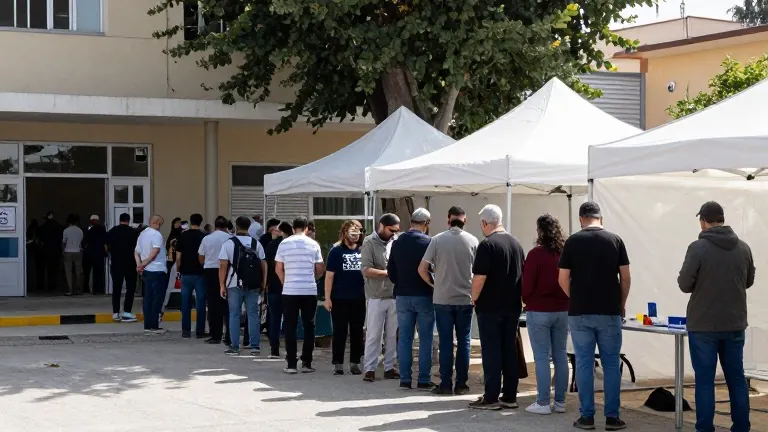
For the 20 percent of Israel's population who are Palestinian citizens, the general election on Tuesday, Oct. 27, presents a specific political dilemma. While most Israelis choose between Prime Minister Benjamin Netanyahu and opposition leader Gadi Eisenkot, Palestinian voters face a decision on whether casting a ballot can alter their daily reality. The current political mainstream in Israel is shifting toward the far right, creating growing anxiety over political and collective rights.
The status of these citizens has evolved since 1948. Those who remained in their homes after the Nakba were granted Israeli citizenship in 1952, and martial law was lifted in 1966. Despite having the right to vote and participate in politics, many argue that formal citizenship has not secured substantive equality. Palestinian communities continue to face discriminatory laws, underfunded services, and socioeconomic marginalization.
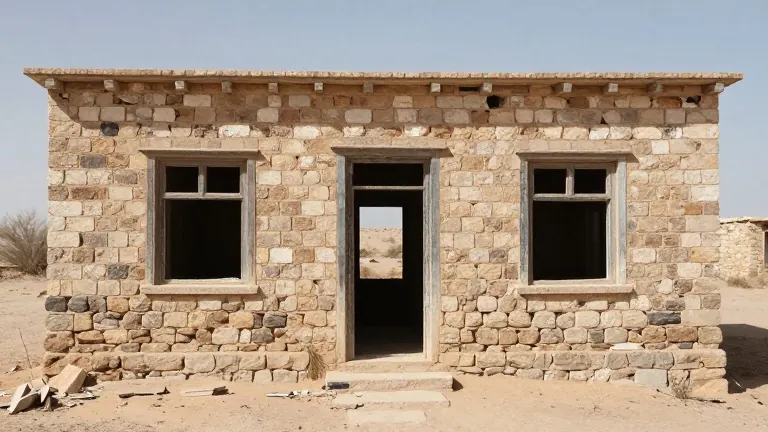
A process described as recolonization has accelerated in recent years. In 2021, religious-nationalist settler groups began establishing themselves in Palestinian neighborhoods in mixed cities like Jaffa and Lydd. Since October 2023, this expansion has quickened. In August, Finance Minister Bezalel Smotrich unveiled a plan to add one million Jewish residents to the Naqab and northern Israel. His proposal includes establishing 40 new settlements, dozens of farms, and hundreds of thousands of new housing units.
Security measures are also tightening around Palestinian towns and villages. National Security Minister Itamar Ben-Gvir has issued 300,000 gun licenses since taking office. He is also moving to integrate settler security squads into a broader framework and expand the role of the National Guard. This force was created following the May 2021 Dignity Uprising in towns such as Haifa and Umm al-Fahm. Critics fear the National Guard will be deployed to suppress future mass protests.
The United Arab List, led by Mansour Abbas, has argued that voting for the anti-Netanyahu camp can halt the far-right agenda. However, the party's time in the 2021 coalition government suggests otherwise. That coalition excluded Netanyahu but failed to bring fundamental changes for Palestinian citizens. In 2022, party member Mazen Ghnaim publicly stated he could not push through beneficial policies despite being part of the ruling coalition.
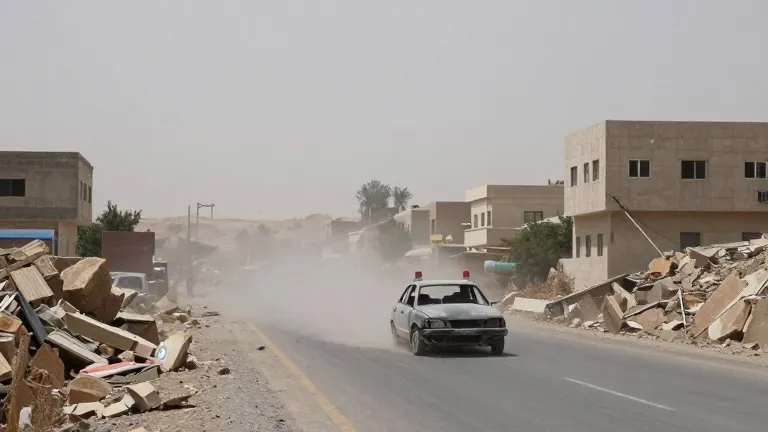
Palestinian communities also face increased violence from organized crime, which has obtained advanced weapons reportedly stolen from army stockpiles or smuggled across borders. Law enforcement has largely ignored these killings, shootings, and arson attacks. This dynamic has led some to argue that the state outsources brutality to criminal networks rather than engaging in direct violence as it has in the West Bank and Gaza.
The upcoming election will determine the next government, but many Palestinian leaders believe electoral participation must be accompanied by other political responses. This includes reforming the High Follow-Up Committee for Arab Citizens of Israel and strengthening grassroots organizing. The fate of Palestinian citizens is tied to the broader Palestinian population, a connection that political leaders are increasingly urged to embrace.
The vote takes place on Oct. 27. The outcome will shape the direction of the government and its policies regarding settlements, policing, and civil rights. For the 20 percent of the population that is Palestinian, the decision reflects a calculation of whether voting can slow the current trajectory of change.
Source: Al Jazeera